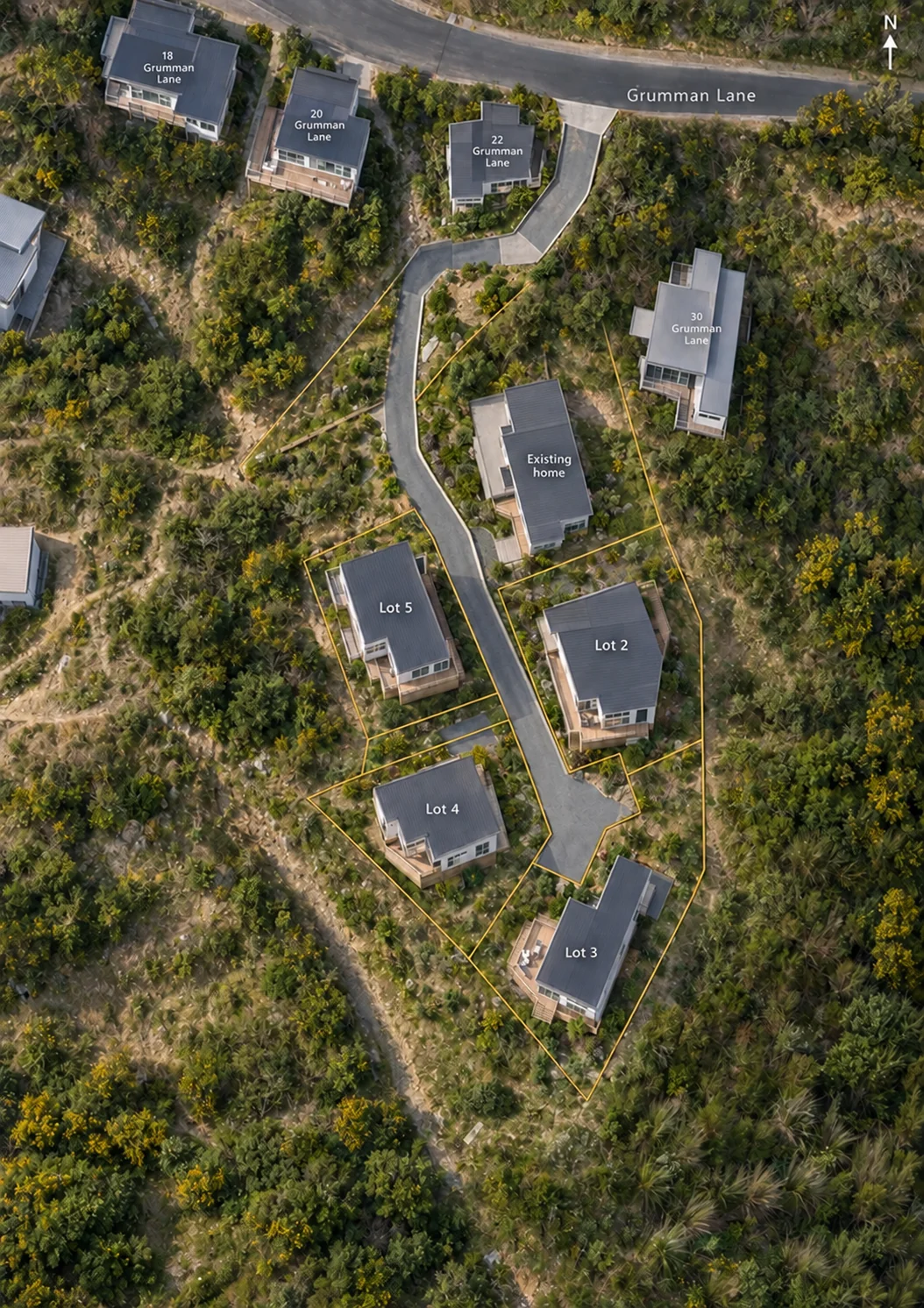
A compelling development presentation usually shows the destination. Completed homes, attractive surroundings and a projected value can make the opportunity easy to picture.
Your review needs to examine the route as carefully as the destination. Who makes the decisions? What must happen before construction progresses? How does your money return to you?
The following questions provide a framework for an initial discussion. They are not a substitute for legal or financial advice. Use them to identify the documents and explanations your independent advisers will need before you consider committing funds.
1. What exactly am I investing in?
Ask for a plain-language description of the proposed transaction. Are you acquiring a property, lending money or purchasing an ownership interest in an entity?
Each answer leads to different questions about rights and responsibilities. Request the legal structure and the documents that define your position. You should be able to explain what you would own or be owed without relying on the marketing name of the opportunity.
2. Who is responsible for delivery?
Identify the people and organisations responsible for design, construction and project management. Ask what work they have completed that is relevant to the proposed development.
Go beyond a list of names. Clarify who appoints contractors, who monitors progress and who has authority to approve changes. If several parties are involved, ask how their responsibilities fit together. Clear accountability makes later reporting easier to understand.
3. Which approvals are in place?
Request a current summary of consent status and outstanding approvals. Ask which milestones depend on decisions that have not yet been made.
The important distinction is between an application, an approval and work completed under that approval. Have the relevant documents reviewed rather than treating those stages as equivalent. If a programme assumes an approval by a particular date, ask what happens if that assumption changes.
4. How has the budget been built?
Ask for the principal cost categories and the evidence behind them. Which figures are based on signed contracts, current quotations or preliminary allowances?
Discuss contingency and how unexpected costs would be handled. Ask whether additional funding could be required from investors and who would decide. A budget becomes more informative when you understand its assumptions and the process for responding when actual costs differ from the plan.
5. Where does the rest of the funding come from?
Request an explanation of the full funding structure, not only the amount being sought from you. Ask about borrowing, owner contributions and any conditions attached to other capital.
Have your advisers explain repayment priorities and relevant security arrangements. The word “secured” does not by itself describe the quality of your position. Understanding who can be paid first is essential to evaluating the proposed terms and potential outcomes.
6. What supports the revenue forecast?
Ask how projected sale prices or rental income were established. Request the assumptions and evidence used rather than focusing only on the final number.
Explore alternatives with your advisers. What would a slower sales programme mean? How would lower prices affect the project? Keep estimated gross sales separate from profit and from the amount available to distribute to an investor. Those figures answer different questions and should not be treated as interchangeable.
7. What could change the timetable?
Ask the project team to identify the main dependencies in its delivery programme. Look for the relationship between approvals, funding and construction rather than reading completion dates in isolation.
Discuss how delays would affect costs and investor payments. A target date is useful, but it becomes more useful when you understand the sequence behind it. Request an explanation of how the programme is updated and when investors would be informed of material changes.
8. How will I receive information?
Clarify the expected reporting schedule before investing. Ask which financial updates and progress reports you would receive and who prepares them.
Also ask how significant decisions are communicated. Would investors be consulted about a change in scope or additional borrowing? Which decisions require approval under the governing documents? Regular communication is helpful, but documented rights are what establish your actual role in the project.
9. How do I exit the investment?
Ask what event is expected to return your capital. It might depend on property sales, refinancing or another transaction. Then ask what happens if that event takes longer than expected.
Do not assume you can sell or withdraw your interest when you choose. The FMA’s property syndicate guidance highlights risks relevant to pooled property investments. Have your advisers examine the actual exit provisions and how they fit your need for access to funds.
10. Does the opportunity fit my circumstances?
An investment can have an appealing concept and still be unsuitable for a particular investor. Consider the proposed commitment alongside your other assets and future spending needs.
The FMA notes that property development can involve substantial risk, including loss. Seek independent advice about the specific proposal. Ask yourself whether you understand the downside as clearly as the projected outcome. Unanswered questions should lead to further investigation rather than pressure to decide quickly.
Turn the answers into a document list
After the first discussion, organise what you have received under structure, delivery, finances and investor rights. Record missing information and assign each question to the person best placed to answer it.
For TANEMA, request the current project information for the acquisition or partnership option you want to explore. Review the estate FAQs first to help frame the conversation. A useful next step is a specific question supported by a specific document.